Our Location
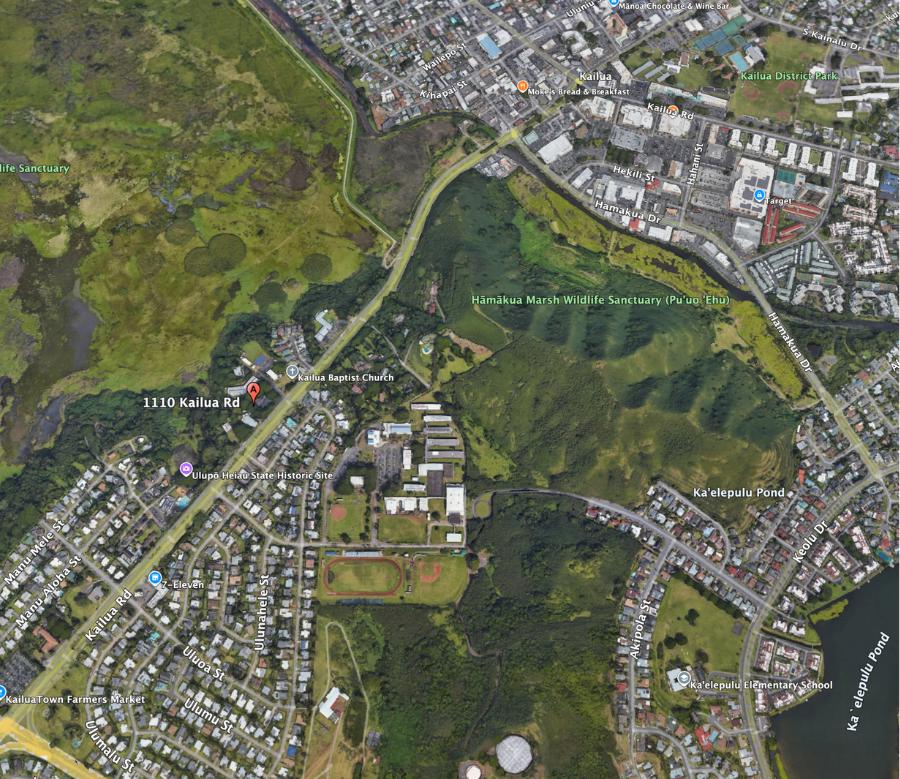
Kawainui Healing Center and Academy is a place of learning, restoration, and connection in the heart of Kailua, O'ahu. Rooted in respect for the land and the diverse healing traditions that have shaped this community, our campus brings together professional education and integrative wellness services in one peaceful setting.
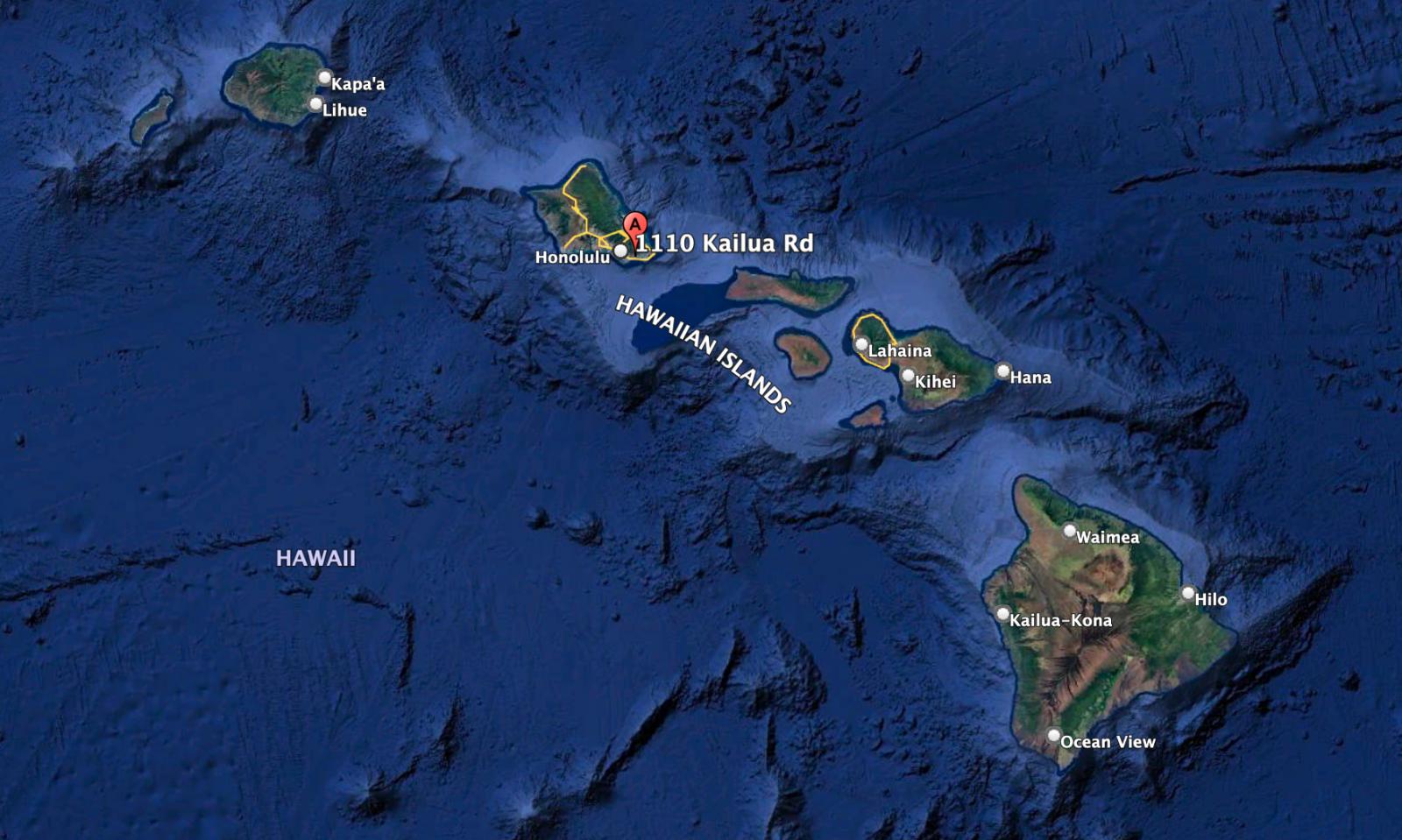
Address
Driving Directions
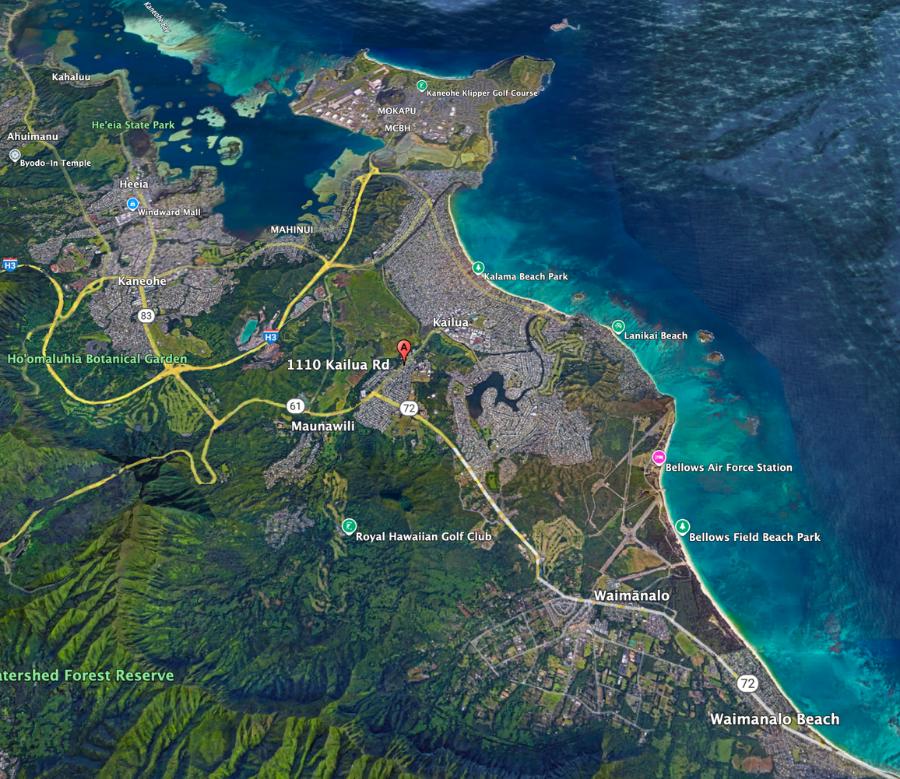
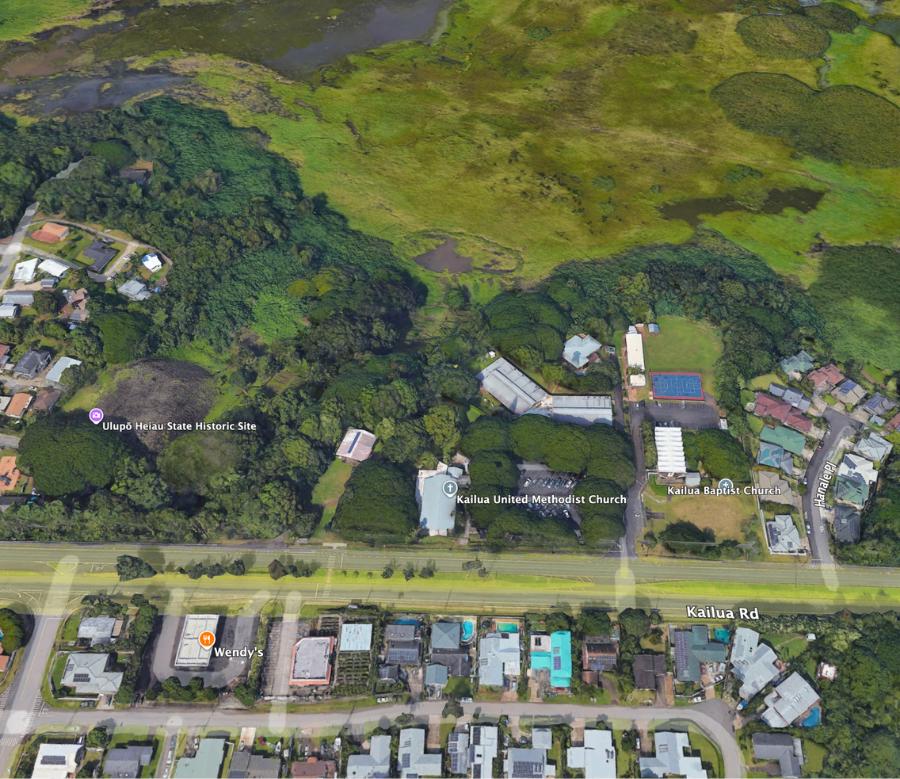
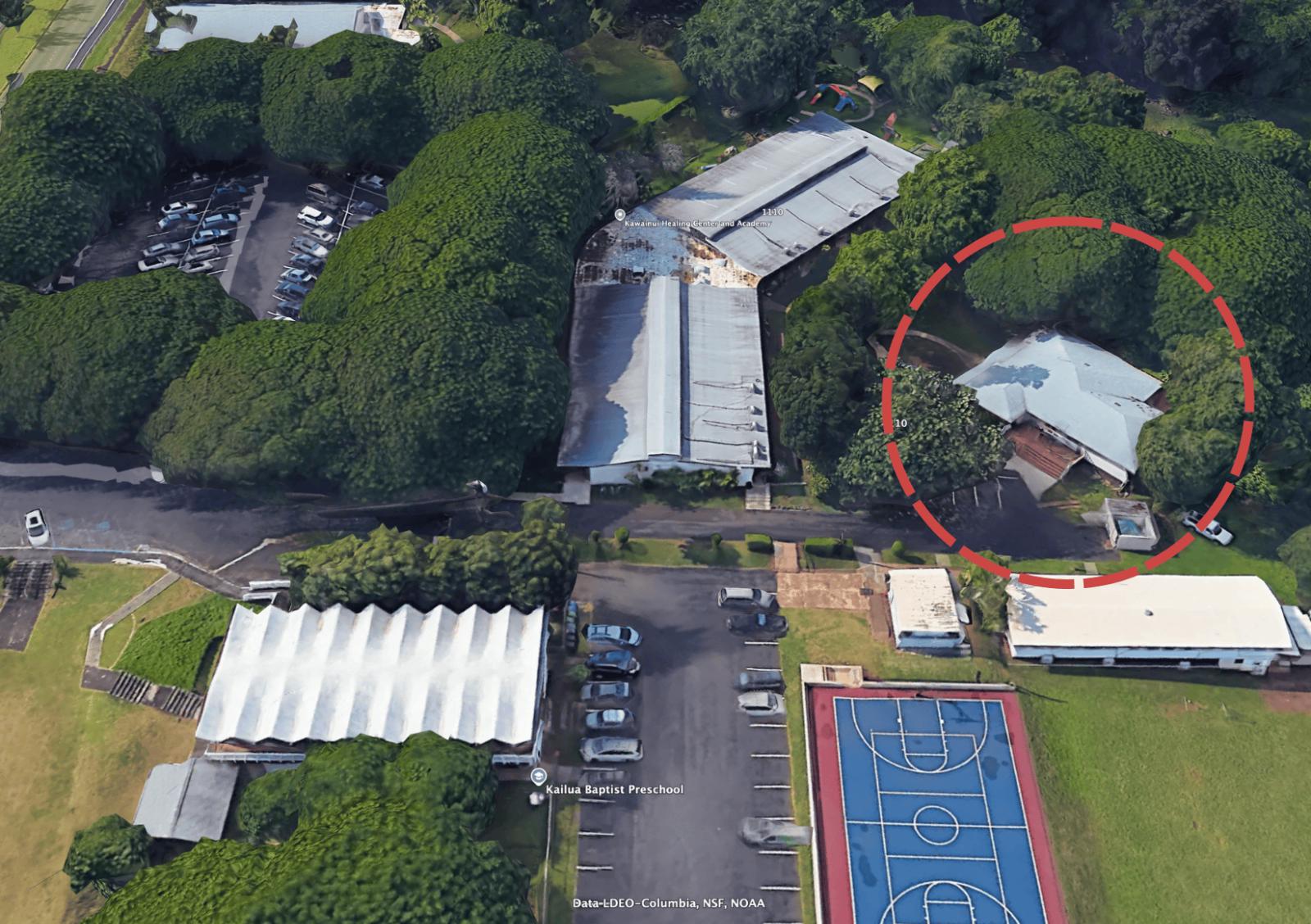
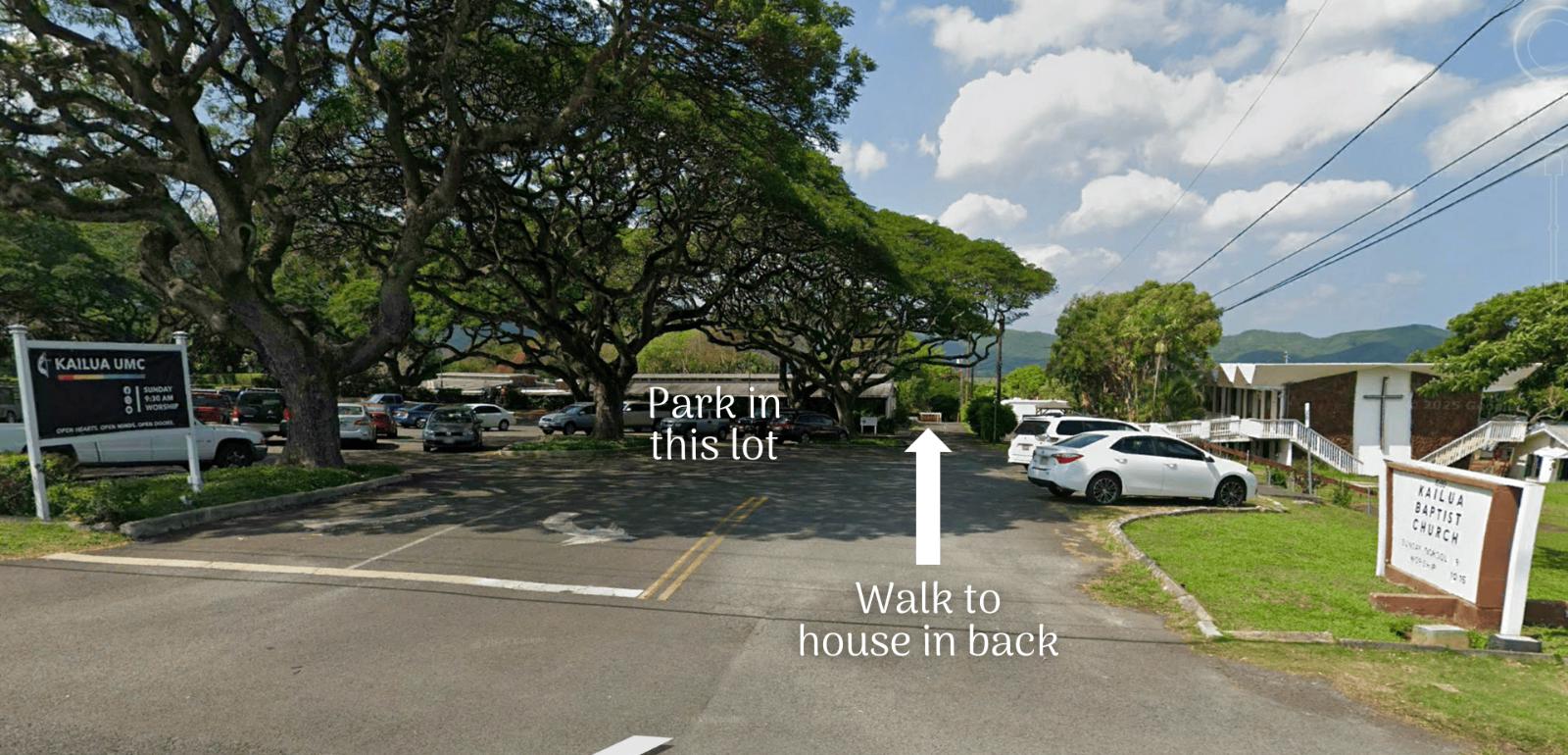
From Kailua Town: Travel mauka on Kailua Road. Pass Hamakua Drive and continue a short distance. 1110 Kailua Road will be on your right. Turn into the driveway between Kailua Baptist Church and Kailua United Methodist Church and proceed to the house in the back of the property.
From Pali Highway: Exit toward Kailua and continue straight onto Kailua Road heading makai. Pass Wendy’s; 1110 Kailua Road will be on your next left. Turn into the driveway between Kailua Baptist Church and Kailua United Methodist Church and proceed to the house in the back of the property.
Our Place in Kailua
Kawainui Healing Center is situated within one of the most historically and culturally significant areas of Oʻahu. Nearby sites reflect the deep relationship between people, land, and water that continues today.
Ulupō Heiau
Ulupō Heiau is one of the largest and oldest Hawaiian temples on Oʻahu, located in Kailua and closely tied to the life of the surrounding wetlands. Archaeological and oral traditions suggest the heiau may have been established many centuries ago, originally serving as a place dedicated to agricultural abundance connected to the fertile lands of Kawainui. Over time, its role expanded as Kailua became an important political and cultural center.
According to Hawaiian tradition, Ulupō Heiau is associated with the Menehune, legendary builders known for constructing large-scale works of stone. Stories describe stones being carried from great distances, underscoring both the monument’s age and its significance within the ahupuaʻa system. The scale and craftsmanship of the heiau reflect its importance as a place where leadership, food production, and spiritual practice were deeply interconnected.
As the influence of ruling chiefs on Oʻahu grew, Ulupō Heiau evolved to serve additional ceremonial purposes. It is believed to have functioned at times as a luakini heiau, associated with chiefly authority and warfare, and was used by prominent aliʻi such as Kakuhihewa and later Kualiʻi. These transitions mirror broader changes in governance and power on the island.
Ulupō Heiau gradually fell out of active ceremonial use following the political shifts of the late 18th century. In the years that followed, the surrounding lands were repurposed for agriculture during the plantation era. Despite these changes, the heiau itself endured as a physical reminder of Kailua’s deep cultural history.
Today, Ulupō Heiau is recognized as a State Historic Site and protected for its cultural, historical, and spiritual value. Restoration efforts in the mid-20th century helped stabilize the structure, allowing it to remain a place of learning and reflection.
Physical Form
The heiau consists of a large, terraced platform constructed from stacked lava rock, spanning roughly 140 by 180 feet, with sections rising nearly 30 feet high. Its size and elevation emphasize its former prominence within the landscape.
Visiting with Respect
Ulupō Heiau is located near the YMCA in Kailua. While visitors are welcome to walk the grounds, it is a sacred place and should be approached with care and reverence. Nearby loʻi and wetland areas offer further context for understanding the relationship between the heiau, food cultivation, and the people who once depended on these lands.
Nā Pōhaku o Hauwahine
These are sacred stones associated with protection and balance in the wetlands.
In Hawaiian, moʻo (with the ʻokina) primarily means a lizard, reptile, or dragon, often a fearsome water spirit or shapeshifter in mythology, guarding waters like streams, fishponds, and caves, but it also means succession, lineage, story (moʻolelo), or a narrow strip of land/ridge. These mythical moʻo are typically female shapeshifters, taking forms from beautiful women to giant reptiles, acting as protectors or tricksters, and symbolizing the vital connection between nature and people.
According to Hawaiian tradition, Kawainui was once home to a powerful moʻo named Hauwahine, whose name can be understood as “woman of authority” or “female ruler.” Her presence followed that of Haumea, the revered earth-mother deity associated with fertility and creation. Together, these traditions place Kawainui within a lineage of female guardianship and abundance.
Hauwahine was known as a protector of balance. Stories describe her ensuring that the abundance of the wetlands and fishponds was shared fairly among the people of the ahupuaʻa, while those who acted with greed faced consequences. In this way, Hauwahine embodied the values of reciprocity and restraint essential to sustaining life in the wetlands.
Oral histories identify the stones overlooking Kawainui from Puʻu o ʻEhu as sacred, believed to be associated with Hauwahine and a companion guardian. These traditions reflect an ancient understanding of the landscape as a connected system, both physically and spiritually.
This belief is further tied to the idea that a subterranean waterway beneath Puʻu o ʻEhu links Kawainui Marsh with Kaʻelepulu Pond, forming a complementary pair. In Hawaiian thought, Kawainui was regarded as masculine, while Kaʻelepulu was seen as feminine. Their union, said to occur at Kawailoa, symbolized the generative forces that sustained life throughout Kailua.
Chants (mele) and ceremonial poetry (oli) connected to Kailua often reference these two bodies of water, celebrating their plentiful fish, particularly ʻamaʻama (mullet) and awa (milkfish), as well as the extensive taro fields that once flourished nearby. Several well-known traditions, including those associated with Hiʻiaka, Kahinihiniʻula, Kaʻulu, and the legendary Mākālei Tree, are rooted in this landscape.
The Mākālei Tree, famed in Hawaiian lore for its ability to draw fish toward it, is said to have stood near the outlet where waters flow from Kawainui Marsh toward Hāmākua. Traditions tell of moʻo dwelling among the awa fish in this area, reinforcing the site’s importance as a place of convergence between land, water, and spirit.
Kawainui Marsh Wildlife Sanctuary
It is Hawaiʻi’s largest remaining wetland, home to native birds and cultural practices tied to water stewardship.
Kawainui, known today as Kawainui Marsh, is a vast wetland landscape in Kailua, Hawaiʻi, and the remnant of what was once the largest freshwater fishpond in the Hawaiian Islands. It remains the state’s most extensive remaining wetland and is internationally recognized as a , acknowledging its ecological and cultural importance.
Origins of the Landscape
Geological evidence suggests that long before human settlement, Kawainui existed as a broad, shallow coastal bay. Core samples containing coral indicate that the area once opened directly to the ocean. Over time, a natural reef formation developed, gradually limiting the exchange of water between the bay and the Pacific.
By roughly 500 CE, shifting sea levels exposed much of this reef, reducing tidal flow and transforming the bay into a shallow, brackish lagoon. Natural channels linked Kawainui to nearby Kaʻelepulu, creating a connected water system that supported abundant marine and freshwater life.
Polynesian settlers arrived during this period and established communities along the lagoon’s edges, particularly near freshwater springs. Over several centuries, forested areas were cleared and reshaped into agricultural zones. Kawainui became one of the earliest and most significant settlement areas for the people who would become Native Hawaiians.
Disruption After Western Contact
The arrival of Europeans in the late 18th century brought devastating epidemics to the Hawaiian population. Diseases such as smallpox, measles, and influenza drastically reduced the number of people able to maintain labor-intensive systems like fishponds and loʻi. As a result, Kawainui gradually fell out of use and became overgrown.
Land tenure changes introduced during the Great Māhele of 1848 further altered the area. Concepts of private land ownership were unfamiliar to many Hawaiians, leading to widespread loss of ancestral lands. Much of Kawainui came under the ownership of aliʻi and later foreign landholders. Despite these shifts, small-scale cultivation of traditional crops continued for a time.
Kawainui Before Western Contact
By the mid-18th century, Native Hawaiians had carefully engineered Kawainui into a highly productive fishpond covering hundreds of acres. The pond provided a steady supply of fish such as ʻamaʻama (mullet), awa (milkfish), and ʻōʻopu (goby). Surrounding the pond were irrigated loʻi kalo, along with dryland crops including banana, sugarcane, and sweet potato.
Several important heiau were built in the vicinity, most notably Ulupō Heiau, reflecting Kawainui’s central role in both sustenance and governance. Oral traditions also suggest that waterways connecting Kawainui and Kaʻelepulu were modified to enhance water flow and productivity.
Plantation Era and 20th-Century Changes
In the late 19th and early 20th centuries, Kawainui was repurposed repeatedly. Portions of the former fishpond were converted into rice paddies worked by Chinese farmers, while water sources feeding Kawainui were diverted to support sugar plantations in nearby Waimānalo.
Later, much of the area was drained for ranching, introducing invasive plant species that further altered the wetland ecosystem. During World War II, the marsh was used as a military training ground. In subsequent decades, industrial activity, including rock crushing and refuse burning, caused additional damage.
Efforts to drain Kawainui for grazing continued into the mid-20th century, lowering the water table and accelerating ecological change. By the late 1900s, the area was officially recognized as a marsh, correcting earlier mischaracterizations and setting the stage for preservation.
Modern Recognition and Restoration
In 2005, Kawainui received international recognition as a Ramsar Wetland, highlighting its global ecological significance. Thick layers of peat now cover much of the marsh, supporting vegetation that includes both native and invasive species.
Today, multiple community organizations and cultural practitioners are engaged in restoring portions of Kawainui using traditional methods, reconnecting the wetland to its ancestral role as a place of abundance and balance.
Wildlife and Ecological Importance
Kawainui Marsh provides critical habitat for native Hawaiian waterbirds, including the endangered aeʻo, ʻalae ʻula, ʻalae kea, and koloa. It also serves as an important resting and feeding area for migratory birds. Much of the marsh is protected as a state wildlife refuge, underscoring its importance for biodiversity.
Cultural Traditions and Living Memory
Hawaiian oral traditions describe lepo-ʻai-ʻia, or “edible mud,” once found in Kawainui. Legends recount that this fertile earth was brought to the area by Kauluakalana and later sustained warriors during historic events.
Kawainui is also remembered as the dwelling place of Hauwahine, a powerful moʻo guardian. Stories tell that she ensured the fair distribution of food from the pond, withdrawing its abundance when balance was disrupted. Pollution and neglect were believed to offend her, reinforcing the responsibility of the people to care for the land and waters.